Stump Grinding and Removal for Carol Stream Homeowners
After a tree comes down, the stump left behind can feel like an afterthought — until it starts causing real problems. In Carol Stream, where residential lots tend to be well-maintained and yard space genuinely matters, an old stump sitting in the lawn creates headaches that compound over time. It interferes with mowing, becomes a tripping hazard for children and guests, invites wood-boring insects and fungal disease, and blocks any plans you have for replanting, adding a patio, or simply reclaiming that section of your yard. Stump grinding is the practical solution most DuPage County homeowners turn to, and understanding how it works will help you make the right decisions for your property.
What Stump Grinding Actually Does
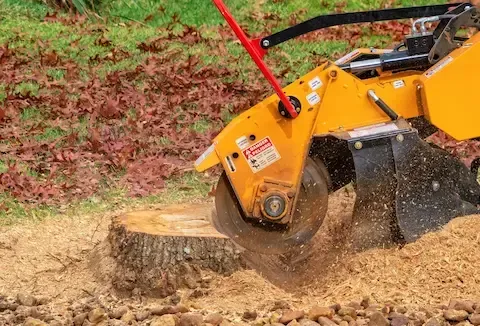
Stump grinding is not the same as stump removal, though the two terms are often used interchangeably. True stump removal means extracting the entire root ball from the ground — a labor-intensive process that leaves a large excavated hole and disturbs significant amounts of soil. Stump grinding, by contrast, uses a rotating cutting wheel with carbide teeth to mechanically chip the stump down below grade. Most professional grinding goes six to twelve inches below the soil surface, which is deep enough for re-seeding grass or laying new topsoil without any visible obstruction.
The machine works through the wood in systematic passes, reducing the stump to a pile of chips and sawdust-like mulch. That material stays in the hole initially, and you have a choice about what to do with it. Some homeowners mix it into the surrounding soil or spread it in planting beds as mulch. If you're planning to seed grass over the area quickly, it's often better to have the chips hauled away and replace them with fresh topsoil, since raw wood chips can temporarily tie up nitrogen in the soil as they decompose and slow grass establishment.
Why Stumps in Carol Stream Need Attention Sooner Rather Than Later
The DuPage County climate gives stumps a particularly active decomposition environment. Warm, humid summers followed by repeated freeze-thaw cycles through the winter accelerate wood breakdown and create ideal conditions for several problems that don't stay contained to the stump itself.
Carpenter ants are among the most common issues. They don't eat wood the way termites do, but they excavate galleries through decaying wood to nest, and a rotting stump in your yard is prime real estate. Once a carpenter ant colony establishes in a stump, it can expand into fence posts, wood siding, and eventually structural members of your home. In Carol Stream neighborhoods where homes sit on modest lot sizes and structures are relatively close together, that migration risk is real.
Honey fungus — Armillaria — is another concern specific to the region. This root rot pathogen spreads through soil via rhizomorphs and can infect healthy trees and shrubs near an infected stump. If you have valuable landscape trees within twenty to thirty feet of an old stump, leaving it in place poses a genuine disease risk to the surrounding planting.
Beyond biology, there's simple practicality. Carol Stream's municipal codes and HOA requirements in many subdivisions can create compliance pressure around yard maintenance. A decaying stump that's become a visible eyesore or tripping hazard may trigger a neighbor complaint or a code enforcement notice, particularly in communities along Gary Avenue or in the Lies Road corridor where neighborhood associations tend to be active.
Surface Roots and What to Expect Below Ground
One of the most common surprises homeowners encounter is the extent of lateral surface roots radiating out from a stump. Oak trees in particular — and Carol Stream has a significant oak population both in residential landscapes and remnant from the area's original woodland communities — spread lateral roots surprisingly far. When you're planning a grinding project, it helps to walk the area around the stump and identify any root flares breaking the soil surface.
A professional crew will typically grind the primary stump and can address exposed surface roots as part of the job if needed. Root grinding requires additional passes with the machine and may factor into pricing, but leaving large surface roots in place can cause the same mowing problems you were trying to eliminate. Discuss the full scope with your contractor before work begins so there are no surprises about what's included.
Deep tap roots from species like oak and hickory don't get fully addressed through standard grinding. They'll remain in the ground and decompose naturally over several years. This is generally fine for most residential purposes, but if you're planning hardscape installation — a poured concrete driveway extension, a patio, or a retaining wall — directly over the former stump location, you'll want to discuss this with your contractor. Decomposing root mass underground can create voids that affect soil stability beneath hardscape.
The Grinding Process Step by Step
For most residential jobs in Carol Stream, a professional stump grinding crew arrives with a self-propelled grinding machine sized to the job. Larger equipment handles big stumps faster but requires access wide enough to maneuver through gates or along fence lines. Before booking, measure your gate opening if the stump is in a fenced backyard — standard grinding equipment typically requires at least three to four feet of clearance, and some larger machines need considerably more.
The operator positions the machine over the stump edge and begins grinding in horizontal arcs, working across the face of the stump progressively deeper with each pass. This process is loud and generates significant debris, so windows near the work area should be closed and vehicles moved out of the immediate zone. Most crews take ten to thirty minutes per stump depending on diameter and wood hardness.
After grinding, the hole is filled with the generated chips. If you've requested chip removal and topsoil replacement, that work follows. Final cleanup involves raking the surrounding area and removing loose debris. You're typically left with a level or slightly mounded area of chips or fresh soil, ready for whatever your next step is.
Planning What Comes After
The real value of stump grinding isn't just eliminating the stump — it's what becomes possible once it's gone. For Carol Stream homeowners who want their stump grinding handled professionally and then want to move straight into replanting or landscaping, having a clear plan before the crew leaves saves a second mobilization.
If you're seeding grass, the ideal approach is to have chips removed, fill the void with quality topsoil, and then seed or sod within a few weeks. This timing takes advantage of naturally loosened soil in the area. If you're planting a new tree, pick a species appropriate to DuPage County's growing conditions — the area's clay-loam soil and zone 5b/6a climate support a wide range of natives including serviceberry, swamp white oak, and pagoda dogwood. Planting too close to where the old root system was can create initial competition with decomposing organic material, so positioning matters.
For homeowners adding hardscape, allow at least one full season before pouring concrete over the former stump location if the stump was large. This gives the wood chip material and remaining root mass time to settle and begin breaking down, reducing the risk of subsidence beneath your new surface.
Choosing the Right Contractor for Stump Work in DuPage County
Stump grinding in Carol Stream is a competitive service, and you'll find a range of providers from solo operators with a single rented machine to full-service tree care companies with dedicated grinding equipment. The price difference between them can be significant, but so can the quality and reliability of the work.
Look for contractors who carry current liability insurance and can document it. Stump grinding throws debris at high velocity, and an uninsured operator leaves you exposed if something goes wrong near a fence, vehicle, or structure. Ask specifically whether their coverage extends to property damage from grinding debris — some basic policies exclude this.
Experience with local soil conditions matters. Carol Stream's underlying clay soil affects how machinery performs and how the area backfills and settles after grinding. A contractor familiar with DuPage County properties will set appropriate expectations about settling timelines and re-seeding timing that a generic out-of-area service might not consider.
If you've recently had a tree removed and are still thinking through the honeylocust pruning schedule for other trees on your property, it can be worth bundling a property assessment into the stump grinding visit. A single site visit that addresses multiple concerns is more cost-effective than scheduling separate contractors.
What It Costs and What Affects the Price
Stump grinding prices in the Carol Stream and DuPage County area typically scale with stump diameter. A small stump under twelve inches might run in the range of seventy-five to one hundred fifty dollars. A large stump from a mature oak or ash — which were common in this area before the emerald ash borer devastated the ash population — can run three hundred dollars or more depending on diameter, wood hardness, and access conditions.
Additional cost factors include the number of stumps on the property (volume pricing usually applies for multiple stumps), whether surface root grinding is included, chip removal and topsoil fill, and site access difficulty. Getting a written estimate that specifies exactly what's included keeps the scope clear and prevents misunderstandings on the day of service.
Most reputable contractors in the area will provide a free estimate with a site visit, which also gives them the chance to assess access, identify any underground utility concerns, and confirm the scope before committing to a price.
A Final Word on Timing
Stump grinding in Carol Stream can be performed throughout the growing season and into late fall as long as the ground isn't frozen solid. Spring and early fall are popular windows because they align with ideal grass seeding conditions — but summer scheduling is entirely workable if you're not planning to immediately seed the area. Winter grinding is possible in mild years, though frozen ground can complicate cleanup and final grading.
Don't let an old stump sit through another season of mowing around it, watching it slowly become a home for insects and fungal colonies. The work is fast, the results are immediate, and reclaiming that section of your yard opens up far more possibilities than most homeowners expect until the stump is finally gone. If you are planning the work around a landscaping project, spring books up fast - here is how the spring stump grinding schedule fills in Carol Stream.
