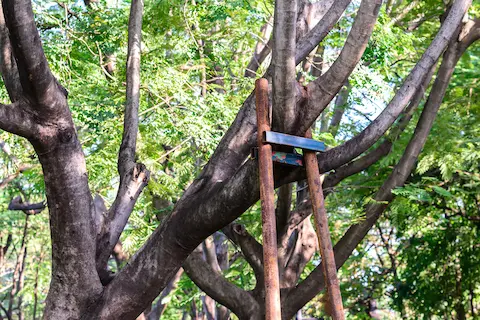
Storm Season Tree Cable Inspection Carol Stream IL
Spring arrives in Carol Stream with longer days, warming soil, and the first round of severe thunderstorms rolling off Lake Michigan toward DuPage County. Before those storms arrive, the cable systems supporting your mature trees deserve a focused inspection. Hardware corrodes over winter, trees grow and shift the tension loads placed on cables, and anchoring hardware can embed itself deeper into expanding wood than it should. Missing these changes before storm season means a cable system that looks intact but provides little real protection when the next derecho pushes through.
Why Pre-Storm Inspections Matter in Carol Stream
Carol Stream sits in a region where storm patterns concentrate wind loading on established neighborhoods with mature tree canopies. The village's older residential areas along the North Branch of the DuPage River corridor feature silver maples, cottonwoods, and American elms that were planted decades ago and have since developed structural co-dominant stems that benefit from cable support. These are exactly the tree types where hardware fatigue matters most. A cable installed five or eight years ago is not automatically still doing its job just because it looks attached. Corrosion, wood growth, and seasonal freeze-thaw cycling all degrade the system incrementally. A pre-storm inspection catches that degradation before wind does it for you.
What Arborists Look for During a Spring Cable Inspection
A thorough inspection covers every component of the cabling system, not just the cable itself. Arborists working in Carol Stream typically evaluate the following during a spring review:
- Hardware embedment: Threaded eye bolts and lag hooks can become partially or fully embedded as the tree grows around them. Once hardware is embedded, it can no longer function as a pivot point and may actually concentrate stress in the wrong location.
- Cable tension: Cables lose or gain tension depending on how the tree has grown through the winter. A cable that was correctly tensioned at installation may now be slack or, less commonly, over-tight as stems have shifted.
- Corrosion on steel components: Surface rust on galvanized hardware is cosmetic. Deep pitting, especially at the connection points, indicates structural compromise that warrants replacement before the first major storm.
- End fittings and thimbles: The fittings that terminate steel cable are high-stress points. Deformation, cracking, or movement at these fittings signals that the cable system cannot safely absorb dynamic wind loads.
- Cambium damage around anchor points: A properly installed anchor should not create open wounds. Swelling, bark cracking, or visible tissue damage around hardware suggests the anchor is migrating or was sized incorrectly at installation.
When the inspection includes Tree Bracing hardware reviews alongside cable checks, arborists can assess whether rod bracing installed through co-dominant stems is still aligned correctly or whether growth has introduced lateral stress on the rods themselves.
Timing the Inspection Correctly
The practical inspection window in DuPage County runs from mid-March through late April. By that point, winter moisture has completed its freeze-thaw work on hardware, but the growing season has not yet pushed significant new wood around anchor points. Waiting until May or June means inspecting after several weeks of rapid spring growth, which can obscure embedment issues. It also means your first significant storm system may already have passed through before you have a current assessment in hand.
If your trees were cabled within the last two years, an annual inspection is still appropriate because the hardware is settling into its long-term position. For older installations, some arborists recommend inspecting every year regardless of system age, particularly for large silver maples and multi-stem oaks where structural failure carries higher consequence.
Re-Tensioning and Hardware Replacement Decisions
Not every spring inspection results in immediate work. Many cables pass inspection with no adjustments needed. When re-tensioning is required, it is a straightforward process for a trained arborist with the correct tools, typically completed in a single visit. Hardware replacement is more involved and may require an aerial lift depending on cable height, which is common for mature trees in Carol Stream's older neighborhoods along Lies Road and the streets running north toward Bloomingdale Road.
The question of whether to replace versus re-tension often comes down to hardware age and corrosion depth. Steel components in a cable system have a finite service life that most arborists estimate at ten to fifteen years under typical Midwest conditions. If your hardware is approaching that range and showing visible corrosion at connection points, replacement makes more economic sense than re-tensioning hardware that will need replacement within a few seasons anyway.
Understanding the material differences between system types is also worth reviewing before making replacement decisions. The choice between synthetic versus steel cable affects how often re-tensioning is needed and how hardware ages, so a system replacement is a good opportunity to evaluate whether the original cable type still suits the tree's current needs.
Common Mistakes Homeowners Make Before Storm Season
The most frequent error is visual inspection from the ground and concluding the cable looks fine. From ground level, embedment is invisible, tension cannot be assessed, and fitting deformation is too small to see. The second common mistake is assuming that because a cable survived last season's storms, it will perform the same way this season. Incremental hardware fatigue does not announce itself between seasons. The third mistake is postponing inspection after a storm has already caused partial failure. Post-storm conditions are when cable hardware is under the most stress and most likely to fail during assessment. Inspecting before storm season, while conditions are calm, is when corrections can be made safely.
Scheduling Your Inspection
Carol Stream homeowners with cabled trees should treat the spring cable inspection as a standard part of seasonal tree care, the same way they would schedule mulching or dormant pruning. Arborists who service DuPage County typically see their spring scheduling fill quickly as landscape work accelerates through April, so contacting a certified arborist in March gives you the best chance of getting an inspection completed before the main storm window opens in late spring. A documented inspection record also becomes valuable if a cable system is ever a subject of insurance review following storm damage, providing evidence that the system was properly maintained and in good working condition before the event.
