Insurance Claims for Storm Tree Damage Carol Stream IL
Understanding Storm Tree Damage Insurance Claims in Carol Stream
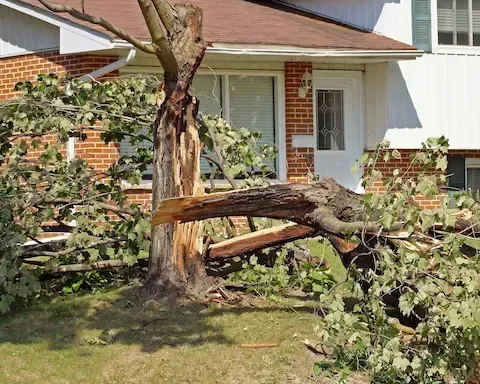
When severe weather strikes Carol Stream, fallen trees and damaged branches can create both safety hazards and significant property damage. Your homeowner's insurance policy typically covers storm-related tree damage, but navigating the claims process requires proper documentation and understanding of what your policy includes. Most standard homeowner's policies in DuPage County cover tree removal when the tree has damaged a covered structure like your home, garage, or fence.
The key distinction lies in where the tree falls and what it damages. If a storm-damaged tree falls on your house, your insurance will likely cover both the structural repairs and the tree removal. However, if the tree simply falls in your yard without hitting any structures, removal costs typically become your responsibility. Understanding these coverage limitations helps you set realistic expectations when filing your claim.
Immediate Steps After Storm Tree Damage
Your first priority after storm tree damage is ensuring safety. If a tree has fallen on your home or is threatening to fall, evacuate the area and contact emergency services if anyone is injured. Once you've confirmed everyone's safety, document the damage immediately with photographs from multiple angles, showing both the tree and any property damage it caused.
Contact your insurance company as soon as possible to report the claim. Many insurers have 24-hour claim reporting hotlines, and prompt notification can expedite the process. When you call, have your policy number ready and be prepared to provide a detailed description of the damage. The insurance company will assign a claim number and may schedule an adjuster visit within a few days.
If the tree poses an immediate danger to your property or blocks essential access routes, you may need Emergency Tree Removal services before the adjuster arrives. Document any emergency measures you take and keep all receipts, as your policy may reimburse these costs if the damage is covered.
Documentation Requirements for Your Claim
Thorough documentation forms the foundation of a successful insurance claim. Take extensive photographs of the damage from multiple angles, including wide shots that show the overall scene and close-ups that highlight specific damage to your property. Photograph the tree's root system if it's been uprooted, as this can help demonstrate that the damage resulted from the storm rather than gradual decay or disease.
Create a written inventory of all damaged property, including landscaping, structures, and personal items. Note the approximate age and condition of damaged items before the storm. If you have previous photos of your property, gather these to show the "before" condition. Video documentation can also be valuable, particularly for showing the extent of damage that might not be apparent in still photographs.
Obtain a professional arborist report if the tree's condition becomes a factor in your claim. Some insurers may question whether the tree was healthy before the storm, especially if it appears diseased or damaged. A certified arborist can provide expert testimony about whether storm conditions caused the failure or if pre-existing conditions contributed to the tree's fall.
Working with Insurance Adjusters
The insurance adjuster will visit your property to assess the damage and determine coverage under your policy. Be present during this inspection if possible, and walk through the damage with the adjuster to ensure nothing is overlooked. Point out all damage, even minor items that might not be immediately obvious. The adjuster may take their own photographs and measurements, but your documentation remains important for the claim file.
Ask questions about what's covered and what isn't. If the adjuster excludes certain damage from coverage, request a written explanation of the reasoning. Understanding the adjuster's assessment helps you determine whether to accept their initial offer or negotiate for additional coverage. Remember that the initial assessment isn't always the final settlement amount.
Get written estimates from reputable contractors for all repair work, including tree removal and debris cleanup. In Carol Stream, contractors familiar with local conditions and DuPage County requirements can provide more accurate estimates that insurance companies are likely to accept. Multiple estimates can strengthen your position if you need to negotiate the settlement amount.
Common Coverage Limitations and Exclusions
Standard homeowner's policies typically include specific limitations on tree-related coverage. Most policies cap tree removal coverage at $500 to $1,000 per tree, with an annual limit that might range from $5,000 to $25,000 depending on your coverage level. Understanding these limits helps you budget for potential out-of-pocket expenses, especially if multiple trees are damaged.
Policies usually exclude coverage for trees that fall due to disease, insect damage, or gradual deterioration. If the insurance company determines that your tree was unhealthy before the storm, they may deny the claim entirely. This is why professional post-storm tree damage assessment can be crucial for documenting that storm conditions caused the tree failure.
Landscaping coverage often has separate, lower limits than structural coverage. Your policy might cover the removal of a tree that damaged your roof but provide minimal coverage for replacing ornamental plants or repairing lawn damage. Review your policy's landscaping provisions to understand what restoration costs you'll need to cover personally.
Maximizing Your Settlement
Detailed documentation and professional estimates are your best tools for maximizing your insurance settlement. Don't accept the first offer without carefully reviewing what's included and excluded. If you believe the settlement is insufficient, you have the right to negotiate or request a second opinion from another adjuster.
Consider hiring a public adjuster if your claim is substantial or if you're having difficulty reaching a fair settlement with your insurance company. Public adjusters work for you rather than the insurance company and can help navigate complex claims. They typically charge a percentage of the final settlement, so weigh this cost against the potential for a higher payout.
Keep detailed records of all expenses related to the storm damage, including temporary repairs, additional living expenses if your home is uninhabitable, and any professional services you hire. These costs may be reimbursable under your policy's additional coverage provisions.
Working with Tree Service Professionals
Choose tree service companies that understand insurance requirements and can provide detailed invoices that insurance companies will accept. Reputable companies in the Carol Stream area should be licensed, insured, and familiar with local permit requirements for tree removal. They should provide itemized estimates that separate labor, equipment, and disposal costs.
Don't begin major tree removal work until your insurance company approves the claim, unless the tree poses an immediate safety hazard. Emergency stabilization and debris removal for safety purposes are usually acceptable, but extensive removal work might need pre-approval to ensure coverage. Coordinate with both your insurance adjuster and your chosen tree service to establish an appropriate timeline.
Ensure that any tree service company you hire can provide the documentation your insurance company requires. This typically includes detailed invoices, certificates of insurance, and any required permits for the work. Professional companies experienced with insurance work will understand these requirements and can help streamline the claims process. Before you file, make sure you have handled the immediate steps - here is what to do when a tree falls on your house in the first hour.
