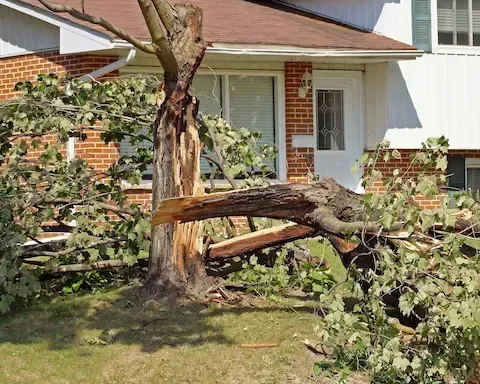
DuPage County Storm Debris Removal Rules Explained
When severe weather strikes DuPage County, understanding storm debris removal regulations can save you time, money, and frustration. Carol Stream residents face specific municipal guidelines that dictate what storm debris the city will collect, when they'll pick it up, and how you must prepare materials for curbside removal.
DuPage County Storm Debris Collection Standards
DuPage County municipalities, including Carol Stream, follow standardized debris removal protocols after major storm events. The county coordinates with local waste management services to establish emergency collection schedules, but individual cities maintain authority over specific debris acceptance criteria.
Storm debris collection typically begins 48-72 hours after weather conditions stabilize. Carol Stream Public Works prioritizes debris removal from major thoroughfares and residential streets based on safety concerns and traffic flow considerations. Emergency declarations may extend normal collection periods from the standard 2-3 days to several weeks, depending on storm severity.
Residents must separate organic debris from construction materials and household waste. Mixed debris piles face rejection, requiring homeowners to re-sort materials according to municipal specifications. This separation requirement often catches homeowners off-guard, especially when dealing with extensive property damage under time pressure.
Acceptable Storm Debris Materials
Carol Stream accepts tree branches, limbs, and trunk sections that meet dimensional requirements. Leaves, grass clippings, and small organic matter qualify for collection when properly bagged or bundled. Storm-damaged shrubs and bushes also qualify, provided they're cut to acceptable lengths.
Roofing materials, siding, fencing, and structural debris require separate disposal arrangements. These materials cannot mix with organic debris and typically need private hauling services or special municipal drop-off events scheduled after major storms.
Size and Preparation Requirements
Tree debris must not exceed 6 feet in length and 6 inches in diameter for standard collection vehicles. Larger branches require cutting into smaller sections before curbside placement. This size limitation prevents equipment damage and ensures efficient collection operations.
Bundle small branches and twigs using biodegradable twine or rope. Bundles should weigh less than 50 pounds for worker safety. Wire, plastic ties, and metal fasteners are prohibited as they can damage processing equipment at disposal facilities.
Stack larger branch sections with cut ends facing the street for easier mechanical loading. Avoid piling debris around utility poles, fire hydrants, mailboxes, or parked vehicles. Leave at least 3 feet of clearance on all sides of debris piles to allow collection truck access.
Placement and Timing Guidelines
Place debris at the curb line, not on sidewalks or in street areas where it blocks traffic or pedestrian access. Carol Stream requires debris placement no earlier than 24 hours before scheduled collection dates and prohibits permanent storage at curbside locations.
Normal yard waste collection schedules may be suspended during emergency debris operations. Residents should monitor city communications for specific collection dates rather than assuming regular pickup schedules continue during storm recovery periods.
Items Excluded From Municipal Collection
Hazardous materials including treated lumber, railroad ties, and chemically treated wood products face strict exclusion from storm debris collection. These materials require special handling at certified disposal facilities due to environmental contamination risks.
Construction debris from fence repairs, roof damage, or siding replacement needs private disposal arrangements. Most Carol Stream area waste management companies offer temporary dumpster services specifically for storm damage cleanup projects.
Stumps and root systems require specialized removal equipment that municipal collection services don't provide. Professional tree services typically handle stump grinding and root system removal as separate services from basic debris collection.
Root Ball and Large Tree Sections
Trees with intact root systems or trunk sections exceeding 6-inch diameter limits need professional removal services. Emergency Tree Removal specialists have equipment to handle oversized debris that exceeds municipal collection capabilities.
Property owners remain responsible for large debris removal costs when materials exceed city collection standards. Planning for professional services before storms can expedite cleanup and prevent prolonged property damage from delayed debris removal.
Common Compliance Mistakes
Many Carol Stream residents incorrectly assume all storm-related debris qualifies for municipal pickup. This misconception leads to rejected piles and requires homeowners to re-sort materials, often under strict deadlines before collection crews return to specific neighborhoods.
Mixing organic debris with household trash or construction materials represents the most frequent violation of collection protocols. Contaminated piles require complete separation before crews will collect any portion of the debris.
Failing to cut branches to specified dimensions causes collection delays. Crews typically skip oversized materials rather than attempting field processing, leaving homeowners to address size violations independently.
Documentation and Insurance Considerations
Photograph debris piles before and after municipal collection for insurance documentation. Many homeowners discover later that insurance adjusters require proof of debris volumes when processing storm damage claims.
Understanding municipal collection limitations helps when filing a storm tree damage claim with insurance providers. Professional removal costs for oversized debris often qualify for insurance reimbursement when municipal services cannot handle specific materials.
Alternative Disposal Options
Carol Stream residents can utilize the municipal yard waste facility for storm debris that meets standard acceptance criteria. This option provides flexibility when missing scheduled curbside collection dates or when dealing with smaller debris quantities.
Private waste haulers offer emergency debris removal services with more flexible size and material restrictions. These services typically cost more than municipal collection but provide faster response times and handle mixed debris types that cities exclude.
DuPage County operates seasonal yard waste drop-off events that accept storm debris during specified dates and hours. These events typically occur at county maintenance facilities and provide no-cost disposal for residents with county identification.
Professional Service Integration
Coordinating municipal debris collection with professional tree services maximizes cost efficiency during storm recovery. Professional crews can process oversized materials to meet city collection standards while handling hazardous tree removal that homeowners cannot safely perform.
Carol Stream area tree services understand local debris regulations and can separate materials appropriately during cleanup operations. This professional sorting prevents collection delays and ensures compliance with municipal requirements from the initial cleanup phase.
Emergency tree services also provide expertise in identifying damaged trees that pose ongoing safety risks beyond immediate debris concerns. Professional assessment helps prioritize removal activities and prevents additional property damage from compromised trees during subsequent weather events. Debris pickup is the last step — when a storm actually brings a tree down, start with our 24/7 storm damage response.
