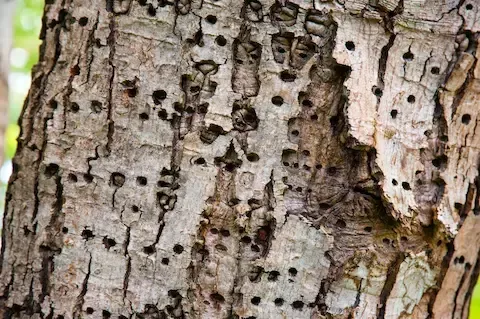
Ash Tree Treatment Plans for DuPage County Homeowners
Ash tree treatment plans in DuPage County focus on three proven methods: emamectin benzoate trunk injections, imidacloprid soil applications, and systemic drench treatments. Emamectin benzoate provides the strongest protection against emerald ash borer with 2-3 year effectiveness, while imidacloprid offers cost-effective annual protection. Soil drench treatments work best for smaller ash trees under 15 inches diameter. Treatment timing matters most - applications between April and September show optimal results for Carol Stream and surrounding DuPage County properties.
What are the most effective ash tree treatment options for DuPage County properties?
Three primary treatment methods dominate ash tree protection in DuPage County. Emamectin benzoate trunk injections deliver the highest success rates against emerald ash borer, protecting trees for 2-3 years per application. This systemic insecticide moves throughout the tree's vascular system, creating a protective barrier in the cambium layer where EAB larvae feed.
Imidacloprid soil applications provide reliable annual protection at lower costs. Applied around the tree's root zone, this treatment absorbs through the root system and translocates to leaf tissue. Results typically appear within 30-60 days of application, making it suitable for preventive protection.
Soil drench treatments work effectively for ash trees under 15 inches diameter. This method involves applying liquid insecticide directly to soil around the root flare, allowing natural uptake through the root system. Smaller trees absorb treatments more efficiently, making this approach cost-effective for younger specimens.
When should Carol Stream homeowners begin ash tree treatments?
Treatment timing significantly impacts effectiveness across DuPage County properties. The optimal treatment window runs from April through September when trees actively transport nutrients through their vascular systems. Early season applications in April and May allow maximum chemical distribution before peak EAB flight periods.
Pre-emptive treatment provides the best outcomes. Once emerald ash borer damage exceeds 30% canopy loss, treatment success rates drop dramatically. Spotting emerald ash borer damage early enables timely intervention before extensive bark splitting and D-shaped exit holes indicate advanced infestation.
Annual maintenance schedules work best for imidacloprid treatments, while emamectin benzoate allows 2-3 year intervals. Carol Stream's urban forest conditions require consistent monitoring since EAB pressure remains high throughout the region.
How do treatment costs compare across different ash tree protection methods?
Treatment costs vary significantly based on method selection and tree characteristics. Emamectin benzoate trunk injections typically cost $8-12 per diameter inch, making a 20-inch ash tree treatment range from $160-240 every 2-3 years. This represents the highest upfront cost but lowest annual expense due to extended effectiveness.
Imidacloprid soil applications cost $4-8 per diameter inch annually. The same 20-inch tree requires $80-160 yearly, creating predictable maintenance budgets. This method suits homeowners preferring consistent annual expenses over larger periodic payments.
Soil drench treatments cost $3-6 per diameter inch for trees under 15 inches. Smaller ash trees receive effective protection at minimal expense, though larger specimens require transition to trunk injection methods for adequate coverage.
What factors determine ash tree treatment success in DuPage County?
Tree health status before treatment application significantly influences outcomes. Healthy ash trees with full canopies respond better to all treatment types. Trees showing stress from drought, construction damage, or other pest issues may require additional care alongside EAB treatment.
Soil conditions affect uptake efficiency for soil-applied treatments. DuPage County's clay-heavy soils in some areas may slow imidacloprid absorption, requiring irrigation assistance or soil amendments to improve penetration. Well-draining soils enhance treatment effectiveness.
Professional application ensures proper chemical concentration and placement. Tree disease treatment specialists understand species-specific requirements and local EAB pressure levels, adjusting treatment protocols accordingly for maximum protection.
How do environmental conditions in DuPage County affect treatment planning?
DuPage County's climate patterns influence treatment scheduling and effectiveness. Spring rainfall affects soil treatment absorption, with adequate moisture improving uptake while excessive water may dilute applications. Summer drought stress can reduce treatment translocation, requiring supplemental irrigation.
Local EAB populations create varying pressure levels across different municipalities. Carol Stream's established urban forest provides continuous host material, maintaining high beetle populations that require stronger treatment protocols compared to newly developed areas with fewer ash trees.
Wind patterns and urban heat island effects in developed areas like Carol Stream can influence treatment timing. Higher temperatures accelerate chemical breakdown, making early season applications more valuable than late summer treatments. Before choosing a treatment plan it helps to confirm what you are dealing with — start with identifying emerald ash borer damage on your ash trees.
What long-term management strategies work best for DuPage County ash trees?
Integrated pest management approaches combine chemical treatments with cultural practices for optimal ash tree health. Regular pruning removes dead wood that attracts secondary pests, while proper mulching and irrigation support treatment effectiveness.
Monitoring protocols help track treatment success and adjust future applications. Annual inspections during late spring identify early EAB activity, allowing treatment modifications before significant damage occurs. Documentation helps establish treatment histories for insurance and property value purposes.
Diversification planning reduces future pest risks by gradually replacing some ash trees with resistant species. This approach maintains urban forest benefits while reducing long-term treatment dependencies and costs associated with single-species dominance.
