Carol Stream Arborist Consultations and Tree Inspections
When you need professional tree expertise in Carol Stream, a certified arborist consultation provides the specialized knowledge required for informed decisions about your property's trees. Whether you're dealing with tree health concerns, safety assessments, or property development planning, an International Society of Arboriculture (ISA) certified arborist brings scientific training and field experience to evaluate your specific situation.
Understanding Arborist Consultation Services
A Carol Stream arborist consultation involves a comprehensive evaluation of your trees by a certified professional who understands local growing conditions, common tree species, and regional environmental factors. During this assessment, the arborist examines tree structure, health indicators, soil conditions, and potential risk factors that could affect your property or safety.
The consultation process typically begins with a detailed discussion of your concerns and objectives. Whether you need guidance on tree preservation during construction, assessment of storm damage, or evaluation of declining tree health, the arborist tailors their inspection to address your specific needs. This personalized approach ensures you receive relevant recommendations based on your property's unique circumstances.
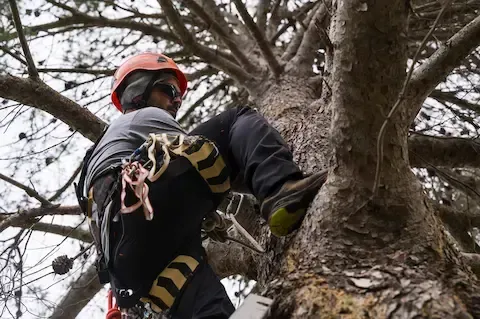
Professional arborists use specialized tools and diagnostic techniques to assess tree condition. This might include resistance drilling to detect internal decay, soil testing to identify nutrient deficiencies, or aerial inspection equipment for tall specimens. The thoroughness of these evaluations provides the foundation for reliable recommendations about tree care, removal, or preservation strategies.
Tree Health Assessment and Diagnosis
Tree health consultations focus on identifying diseases, pest infestations, and environmental stresses affecting your trees. In Carol Stream's climate, trees face various challenges including harsh winters, summer drought stress, and soil compaction from urban development. An experienced arborist recognizes symptoms of common regional problems and can distinguish between different causes of tree decline.
During health assessments, arborists examine foliage patterns, bark condition, root zone health, and overall tree structure. They look for signs of fungal infections, insect damage, nutrient deficiencies, or mechanical injuries that might compromise tree vitality. Early detection of health issues often allows for effective treatment interventions that can save valuable trees.
The diagnostic process may reveal underlying problems not immediately visible to property owners. Root rot, internal decay, or systemic diseases can significantly weaken trees before obvious symptoms appear. Professional assessment identifies these hidden issues and provides recommendations for treatment or management strategies that address the root causes rather than just symptoms.
Risk Assessment and Hazard Evaluation
Safety considerations represent a critical component of arborist consultations, particularly for trees near structures, walkways, or high-traffic areas. Risk assessment involves evaluating the likelihood of tree failure and the potential consequences if failure occurs. This systematic approach helps property owners make informed decisions about tree management priorities.
Arborists assess structural defects including co-dominant stems, included bark, dead branches, and root problems that could lead to failure. They consider factors such as tree species characteristics, age, previous storm damage, and site conditions that influence stability. The warning signs of a hazardous tree often require professional evaluation before you can judge how urgent the situation actually is.
Weather history and local climate patterns factor into risk evaluations. Carol Stream's severe weather events, including ice storms and high winds, can reveal weaknesses in tree structure that weren't previously apparent. Arborists familiar with regional weather patterns understand how these conditions affect different tree species and can predict potential failure points.
Property Development and Construction Impact
Construction projects significantly impact existing trees, and advance consultation helps preserve valuable specimens while ensuring project safety. Arborists evaluate which trees can withstand construction activities and recommend protection measures for specimens worth preserving. This planning prevents unnecessary tree loss and potential construction complications.
Root zone protection becomes especially important during construction. Heavy equipment compaction, grade changes, and trenching can severely damage tree root systems even when the above-ground portions appear unaffected. Professional consultation identifies critical root zones and establishes protection protocols that maintain tree health throughout construction phases.
Tree preservation during development requires coordination between arborists, contractors, and property owners. Early consultation allows for project design modifications that accommodate existing trees while meeting development objectives. This collaborative approach often results in more attractive finished projects that retain mature landscape features.
Appraisal and Documentation Services
Tree appraisals provide professional valuation of trees for insurance claims, legal proceedings, or property assessments. Certified arborists use standardized methodologies to calculate tree value based on species, size, condition, and location factors. These appraisals carry professional credibility in formal proceedings and insurance settlements.
Documentation services include detailed reports with photographs, measurements, and recommendations that create permanent records of tree condition and management needs. These reports prove valuable for property management planning, insurance documentation, or regulatory compliance requirements. Professional documentation also establishes baseline conditions for monitoring tree health over time.
Legal situations sometimes require expert testimony about tree condition, failure causes, or appropriate care standards. ISA certified arborists provide credible expert witness services backed by professional credentials and industry knowledge. Their testimony helps resolve disputes involving tree damage, property boundaries, or care standard violations.
Species Selection and Planting Recommendations
Arborist consultations extend beyond existing tree care to include recommendations for new plantings. Species selection advice considers site conditions, mature tree size, maintenance requirements, and compatibility with existing landscape features. This guidance helps ensure successful establishment and long-term performance of new trees.
Local growing conditions significantly influence species selection decisions. Carol Stream's soil types, climate patterns, and urban environment create specific challenges for tree establishment. Professional consultation identifies species well-suited to these conditions while avoiding varieties prone to local pest or disease problems.
Proper planting techniques and initial care requirements vary by species and site conditions. Arborist guidance covers planting depth, soil preparation, watering schedules, and early pruning needs that establish trees for healthy development. This expertise prevents common planting mistakes that lead to poor establishment or early tree failure.
Ongoing Tree Management Planning
Comprehensive arborist consultations result in management plans that outline long-term care strategies for property trees. These plans prioritize maintenance needs, schedule routine care activities, and establish monitoring protocols that maintain tree health and safety over time. Strategic planning prevents problems before they become serious and costly.
Management plans consider budget constraints and property owner objectives while maintaining professional care standards. They outline which maintenance activities property owners can perform themselves and which require professional services. This balanced approach maximizes care effectiveness while managing costs.
Regular follow-up consultations allow for plan adjustments based on changing tree conditions or property needs. Arborist Consultation services provide ongoing professional support that adapts to evolving circumstances while maintaining consistent care quality.
Professional Credentials and Expertise
ISA certification ensures arborists meet rigorous professional standards for tree care knowledge and continuing education. Certified arborists demonstrate competency in tree biology, diagnosis, safety practices, and industry best practices through comprehensive testing and ongoing training requirements. This certification provides assurance of professional competency and ethical standards.
Local experience complements formal certification by providing familiarity with regional tree species, growing conditions, and common problems. DuPage County arborists understand area-specific challenges including soil conditions, climate patterns, and prevalent pest issues that affect tree health and management decisions.
Professional liability insurance and adherence to industry safety standards protect both arborists and property owners during consultation activities. These protections ensure that professional services meet established standards while providing recourse if problems arise during or after consultation services.
