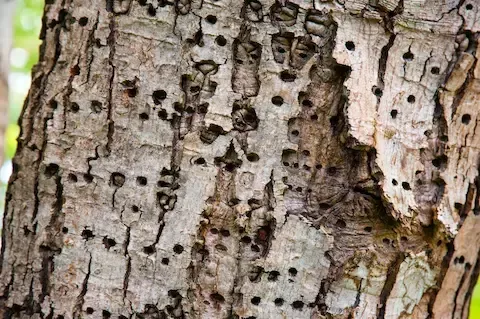
Tree Disease Identification and Treatment Carol Stream
Tree diseases can devastate your landscape investment and pose serious safety risks to your Carol Stream property. Early identification and proper treatment are crucial for maintaining healthy trees that enhance your home's value and provide decades of benefits. Understanding the common diseases affecting DuPage County trees and recognizing their symptoms can help you take swift action to protect your valuable landscape assets.
Common Tree Diseases in Carol Stream and DuPage County
The climate and soil conditions in Carol Stream create specific challenges for tree health. Anthracnose frequently affects maple, oak, and ash trees during wet spring seasons, causing irregular brown patches on leaves and premature defoliation. This fungal disease thrives in the humid conditions common to northern Illinois and can weaken trees over multiple seasons if left untreated.
Dutch elm disease remains a persistent threat to elm trees throughout DuPage County, spread by elm bark beetles and root grafts between adjacent trees. The disease blocks water transport within the tree, causing yellowing leaves that progress from branch tips inward. Once established, Dutch elm disease moves quickly and can kill mature elms within a single growing season.
Fire blight poses significant risks to ornamental trees like crabapples, hawthorns, and pears. This bacterial disease causes branch tips to appear scorched and bent into a shepherd's crook shape. The infection spreads rapidly during warm, humid weather and can destroy entire canopies if not addressed promptly with professional tree disease treatment.
Oak wilt has become increasingly problematic in Carol Stream neighborhoods with mature oak populations. The fungal pathogen disrupts water flow, causing leaves to wilt and brown from the outer edges inward. Red oak species succumb more quickly than white oaks, often dying within months of infection. The disease spreads through root connections and beetle vectors, making neighborhood-wide management essential.
Early Warning Signs and Diagnostic Indicators
Successful disease management depends on recognizing symptoms before infections become established. Leaf discoloration patterns provide valuable diagnostic clues, with different diseases creating distinctive symptoms. Fungal infections often produce circular or irregular spots with defined borders, while bacterial diseases typically cause water-soaked lesions that expand rapidly.
Canker development on trunks and branches indicates serious disease issues requiring immediate attention. These sunken, discolored areas represent dead bark tissue where pathogens have penetrated the tree's protective barriers. Cankers may ooze sap or display fungal growth, and their location helps determine the specific disease organism involved.
Premature leaf drop during growing seasons signals stress from disease, drought, or environmental factors. While normal autumn senescence follows predictable patterns, disease-related defoliation occurs irregularly and often accompanies other symptoms like yellowing, browning, or spotted leaves.
Root system problems manifest through crown symptoms but require careful investigation to diagnose accurately. Gradual decline over multiple seasons, reduced leaf size, sparse branching, and increased susceptibility to environmental stress all suggest root diseases that compromise the tree's foundation.
Professional Diagnosis and Laboratory Testing
Accurate disease identification requires systematic evaluation combining visual assessment with laboratory analysis when necessary. Professional arborists examine affected plant tissues under magnification to identify fungal structures, bacterial streaming, or viral inclusion bodies that confirm specific pathogens.
Soil testing reveals underlying conditions that predispose trees to disease. pH imbalances, nutrient deficiencies, compaction, and drainage problems create stress that weakens natural disease resistance. Understanding soil chemistry helps develop comprehensive treatment strategies addressing both symptoms and underlying causes.
Microscopic examination of leaf, bark, and wood samples provides definitive pathogen identification for complex cases. Laboratory cultures grow suspected organisms under controlled conditions, allowing positive identification and antibiotic sensitivity testing for bacterial diseases.
Digital imaging and documentation create baseline records for monitoring treatment effectiveness over time. Photographic evidence helps track disease progression, recovery patterns, and long-term tree health trends that inform future management decisions.
Treatment Strategies and Intervention Methods
Fungicide applications provide effective control for many common tree diseases when properly timed and applied. Systemic fungicides absorbed through roots or trunk injection offer season-long protection for susceptible species. Contact fungicides protect new growth but require repeated applications throughout the growing season for continued effectiveness.
Antibiotic treatments show promise for certain bacterial diseases, particularly fire blight in ornamental trees. Trunk injection delivers concentrated antibiotics directly to affected tissues while minimizing environmental impact. Treatment timing coincides with bacterial activity periods for maximum effectiveness.
Cultural modifications address environmental factors contributing to disease development. Improving air circulation through selective pruning reduces humidity around susceptible foliage. Adjusting irrigation practices prevents water stress while avoiding conditions that favor pathogen growth and infection.
Sanitation practices prevent disease spread within and between properties. Proper disposal of infected plant material eliminates pathogen reservoirs, while tool sterilization prevents mechanical transmission during pruning operations. These preventive measures complement direct treatment approaches for comprehensive disease management.
Seasonal Treatment Timing and Prevention
Spring applications target diseases that infect new growth as trees break dormancy. Preventive fungicide treatments applied before leaf emergence provide protection during the critical infection period for many foliar diseases. Early intervention proves more effective and economical than treatments applied after symptoms appear.
Summer monitoring identifies stress factors and disease development requiring immediate intervention. Regular inspection schedules detect problems while treatment options remain viable. Professional arborists adjust treatment protocols based on weather conditions, disease pressure, and tree response patterns observed throughout the growing season.
Fall treatments prepare trees for winter stress and reduce pathogen populations overwintering in plant tissues and surrounding soil. Post-harvest fungicide applications control storage diseases in fruit trees, while soil treatments improve root zone conditions before dormant season stresses begin.
Winter planning develops comprehensive management strategies for the upcoming growing season. Dormant season pruning removes infected tissues while trees are less susceptible to additional stress. Treatment scheduling ensures materials and equipment availability during critical application windows.
Advanced Treatment Technologies
Trunk injection systems deliver targeted treatments directly to tree vascular systems with minimal environmental impact. Pressurized injection ensures systemic distribution throughout the canopy while avoiding drift or runoff concerns associated with foliar applications. This precision approach proves particularly valuable for large specimens where spray coverage becomes impractical.
Soil drenching techniques saturate root zones with systemic fungicides that provide season-long protection against soil-borne pathogens. Controlled-release formulations extend treatment effectiveness while reducing application frequency and labor costs. Professional equipment ensures proper dilution rates and uniform distribution throughout the root zone.
Biological control agents offer environmentally sustainable alternatives for certain disease problems. Beneficial microorganisms compete with pathogens for infection sites while producing natural antibiotics that suppress disease development. These living treatments establish protective microbial communities that provide ongoing disease resistance.
Growth regulators modify tree physiology to enhance natural disease resistance mechanisms. These compounds strengthen cell walls, increase antioxidant production, and improve wound healing responses that limit pathogen establishment and spread. Proper application timing optimizes treatment effectiveness while minimizing potential side effects.
Local Environmental Considerations for Carol Stream
Carol Stream's urban forest faces unique challenges from construction disturbance, soil compaction, and altered drainage patterns that predispose trees to disease problems. New developments often damage existing root systems while changing soil chemistry through grade modifications and utility installations. These stresses compromise natural disease resistance and require proactive management approaches.
The community's mature tree population includes many specimens planted decades ago that now require specialized care to maintain health and safety. Large oaks, maples, and other long-lived species develop complex disease relationships over time that demand experienced diagnosis and treatment. Understanding the local tree inventory helps predict disease patterns and plan preventive strategies.
Proximity to natural areas like Herrick Lake Forest Preserve influences local disease pressure through wildlife vectors and pathogen reservoirs. Birds, insects, and other animals transport disease organisms between wild and cultivated tree populations. Coordinated management approaches consider these broader ecological connections when developing treatment protocols.
Municipal tree programs and HOA landscape requirements create opportunities for community-wide disease management initiatives. Shared resources enable comprehensive treatment approaches that would be prohibitively expensive for individual property owners. Collaborative efforts prove especially important for diseases like oak wilt that spread through root connections between properties.
Professional Tree Care and Long-Term Management
Certified arborists possess specialized training and experience necessary for accurate disease diagnosis and effective treatment. ISA certification ensures professionals understand tree biology, pathology, and treatment methods required for successful disease management. Their expertise proves invaluable for complex cases requiring laboratory diagnosis and sophisticated treatment protocols.
Regular monitoring programs detect disease problems during early stages when treatment options remain most effective. Professional assessments identify subtle symptoms that untrained observers might overlook until diseases become established and difficult to control. Scheduled inspections create baseline documentation for tracking tree health trends over time.
Integrated pest management approaches consider disease problems within the broader context of tree health and environmental conditions. Comprehensive strategies address multiple stress factors simultaneously while minimizing treatment inputs and environmental impacts. This holistic approach provides sustainable solutions for maintaining healthy urban forests.
Treatment outcome monitoring ensures interventions achieve desired results and guides future management decisions. Follow-up evaluations assess disease control effectiveness, identify treatment gaps, and document recovery patterns. This feedback loop enables continuous improvement in treatment protocols and helps justify investment in professional tree care services.
When you notice signs of tree disease on your Carol Stream property, prompt professional evaluation can make the difference between successful treatment and tree loss. Understanding tree removal safety becomes crucial when diseases progress beyond treatment options, ensuring your family's protection during necessary removal operations. Investing in professional diagnosis and treatment protects your landscape investment while maintaining the safety and beauty of your outdoor environment for years to come.
