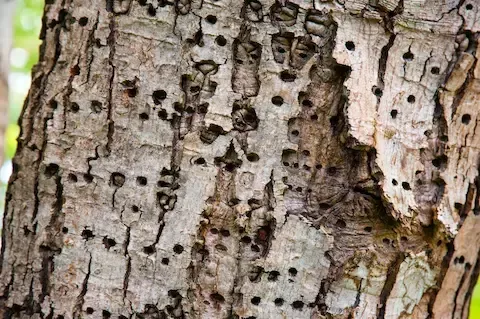
Spring Ash Tree Treatment Timing in Carol Stream IL
Early spring marks a critical window for ash tree protection in Carol Stream, with emerald ash borer (EAB) treatments requiring precise timing to maximize effectiveness. The optimal treatment period typically falls between late March and early May, when soil temperatures reach 50-55°F and before adult EAB emergence begins in earnest. This timing ensures systemic insecticides can establish within the tree's vascular system before the most damaging phase of EAB activity begins.
Understanding EAB Activity Cycles in Northern Illinois
Emerald ash borer follows a predictable seasonal pattern in the Carol Stream area, with adult beetles typically emerging from mid-May through July. The larvae overwinter beneath the bark, creating the distinctive S-shaped galleries that disrupt nutrient flow. Adult emergence timing varies based on accumulated degree days, which explains why treatment windows can shift slightly from year to year based on spring weather patterns.
The pre-emergence treatment window is crucial because systemic insecticides need approximately 30-60 days to distribute throughout the tree's canopy. Trees treated in early spring have the highest survival rates, as the active ingredients reach lethal concentrations in the phloem before EAB larvae begin their most destructive feeding phase.
Optimal Spring Treatment Conditions
Several environmental factors determine the ideal treatment timing for Carol Stream ash trees. Soil temperature represents the most reliable indicator, with consistent readings above 50°F signaling that root uptake will support systemic distribution. Ground frost should be minimal, as frozen soil prevents proper injection and uptake.
Tree physiological readiness also matters significantly. Ash trees beginning their spring flush, indicated by swelling buds or early leaf emergence, demonstrate active water and nutrient transport systems essential for treatment success. This typically occurs in DuPage County between early April and mid-May, depending on seasonal weather variations.
Weather stability during the treatment period ensures optimal results. A stable forecast with minimal temperature fluctuations and adequate soil moisture supports consistent uptake. Heavy rainfall immediately after treatment can dilute soil-applied products, while extended drought periods may reduce systemic movement within the tree.
Treatment Method Timing Considerations
Trunk injection timing differs from soil application methods. Direct trunk injections can occur slightly later in the season, as the active ingredients enter the vascular system more directly. However, early spring applications still provide superior protection by establishing lethal concentrations before peak EAB activity.
Soil-applied treatments require earlier application, typically beginning in late March when soil temperatures stabilize. These systemic products need additional time to move through root systems and into the trunk and canopy. The extended uptake period makes early application critical for achieving protective concentrations.
Foliar applications have limited effectiveness against EAB but may supplement other treatment methods. These applications must occur after leaf emergence but before adult EAB flight periods begin, creating a narrow window in late April to early May for Tree Disease Treatment protocols in Carol Stream.
Common Spring Treatment Mistakes
Delayed treatment timing represents the most frequent error in EAB management. Waiting until visible EAB damage appears often means the tree has sustained significant vascular damage, reducing treatment effectiveness. Advanced infestations may require multiple treatment cycles or may be beyond recovery.
Treating during unsuitable weather conditions compromises results. Applications during periods of soil frost, extended drought, or immediately before heavy rainfall reduce uptake and distribution. Professional arborists monitor weather patterns and soil conditions to optimize treatment timing.
Inconsistent treatment schedules also reduce long-term effectiveness. EAB treatments typically require annual applications for trees in heavily infested areas like Carol Stream. Skipping treatment years allows EAB populations to recover and continue damaging the tree's vascular system.
Local Climate and Timing Factors
Carol Stream's position in USDA Zone 5b creates specific timing considerations for ash tree treatments. The area's continental climate produces variable spring weather, with late frosts potentially extending the treatment window. Professional monitoring of local degree day accumulation helps predict optimal treatment timing more accurately than calendar dates alone.
Urban heat island effects within Carol Stream can advance EAB emergence timing compared to surrounding rural areas. Trees near paved surfaces, buildings, or other heat-absorbing structures may require slightly earlier treatment to account for accelerated insect development.
DuPage County's extensive ash tree population means EAB pressure remains consistently high throughout the growing season. This sustained pressure makes early, effective treatment even more critical for long-term tree survival. Local treatment timing should account for the high EAB density in the region.
Professional Treatment Scheduling
Certified arborists use multiple indicators to determine precise treatment timing for individual properties. Soil temperature monitoring, degree day calculations, and tree phenology observations combine to identify the optimal treatment window. This professional assessment accounts for site-specific conditions that affect treatment success.
Treatment scheduling also considers tree health status and previous treatment history. Severely stressed ash trees may benefit from earlier treatment to maximize protective effects. Trees with previous EAB damage require careful timing to ensure treatments can still provide meaningful protection.
Professional services often schedule treatments in advance based on historical timing data and weather forecasts. This proactive approach ensures treatments occur within the optimal window, as delayed scheduling may push applications past peak effectiveness periods. Understanding comparing ash tree treatment plans helps property owners make informed decisions about timing and treatment methods.
Long-term Protection Strategy
Spring treatments represent one component of comprehensive EAB management. Annual spring applications provide ongoing protection, but monitoring throughout the growing season helps identify treatment effectiveness and any emerging issues. Early detection of treatment failure allows for corrective measures before significant tree damage occurs.
Treatment timing should align with broader landscape management goals. Coordinating EAB treatments with other tree care activities like pruning or fertilization maximizes tree health and treatment effectiveness. This integrated approach provides the best long-term outcomes for Carol Stream ash tree populations. Whatever you treat or remove, you still have to follow Illinois DNR rules on moving ash wood and firewood out of the quarantine area.
